

Travel

Editorial only, not financial advice. We do not recommend investments or promise returns. Talk to a licensed professional before you act on anything you read here. Our disclosure
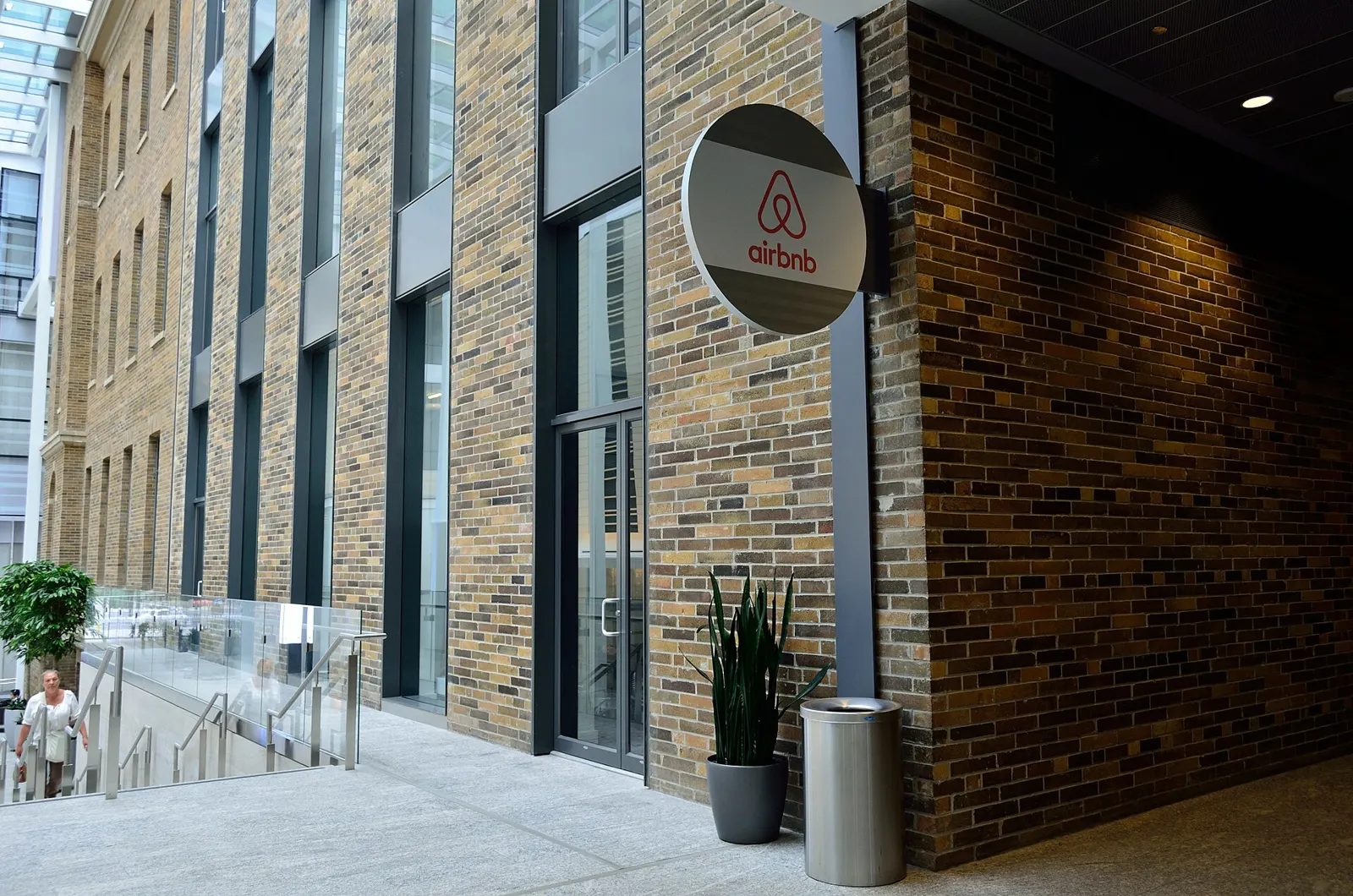
Rain on a beach week has always been bad luck. Airbnb now wants to sell you a way to get paid for it.
The company launched Weather Protection in October. It is an optional add-on that guests can buy at checkout, and it is underwritten by the insurer Chubb. If it rains enough on a given day at your listing, you get a fixed payment. You do not file a claim or send photos. The payout is triggered by weather data.
It is getting a second wave of attention this week on X, but it is not new. Airbnb announced it on Oct 8.
How much rain counts
Airbnb’s help page sets the bar. Rain has to reach at least 1.5 millimetres in an hour, between 8:00 and 20:00 local time, for the minimum number of hours set out in your policy. Night rain does not count.
Airbnb says rainfall at the listing is measured with independent radar, satellite and forecast data. When a day qualifies, you get a notification and a payout of between €50 and €1,000 for that day, depending on your policy.

Who can buy it
This is the catch for many readers. You can only buy it if you live in one of 10 countries: Austria, Denmark, France, Germany, Ireland, Italy, the Netherlands, Poland, Spain or Sweden. The trip can be abroad, but Airbnb says the cover does not apply to international trips to the United States.
For guests in Denmark, Poland and Sweden, Airbnb says this is the first insurance option it has offered at all.
“Rain can cast a shadow over a trip guests have been looking forward to, but it shouldn’t define it,” said Justin Brouse, who runs strategic partnerships for AirCover and insurance at Airbnb.
Rubén Rivero, head of travel insurance for Europe, the Middle East and Africa at Chubb, put it more bluntly: “No forms, no calls, no waiting to find out if you’re covered.”
Airbnb is not the first
Paying guests for bad weather is becoming a travel trend. Skift reported on Oct 19 that Vrbo, JetBlue Vacations and Marriott’s Homes & Villas already offer rain payouts through WeatherPromise, which Skift describes as a guarantee rather than insurance. Airbnb’s version is parametric insurance. They pay a set sum when a measured event happens, like a certain amount of rain, instead of paying for proven losses.
The upside is speed. The downside is that the payout may not match how ruined your day felt. A heavy shower at noon may not be enough if your policy needs several hours of rain. A grey, drizzly day might not.
Worth it?
That depends on where and when you go. Read the policy terms before you buy, especially the minimum hours rule, and compare the price to what you would actually get back on a wet day. As a rough guide, rain is usually less likely on a summer week on the Costa Brava than on an autumn city break, so the cover may pay out less often there.
Editorial only, not financial advice.
Top photo: Krho Léna via Wikimedia Commons, CC BY 3.0.
Keep reading
More in TravelRelated stories
The newsletter
Get The Billionaire Daily newsletter
Our best stories on cars, watches, travel and experiences, in one email a week.