

Money & Business
Revolut is now valued at $115 billion after a staff share sale
A secondary sale for employees has put Revolut at $115 billion, up from $75 billion last year. The company raised no new capital.
Editorial only, not financial advice. We do not recommend investments or promise returns. Talk to a licensed professional before you act on anything you read here. Our disclosure
Revolut confirmed a new valuation on Wednesday: $115 billion.
The number comes from a secondary share sale, which means employees and other existing shareholders sold some of their stock to outside investors. The buyers were led by Glade Brook Capital, Coatue, Durable Capital Partners, T. Rowe Price and Baillie Gifford, according to Tech.eu. Revolut did not say how much changed hands. Tech.eu put the price at about $2,017 a share.
Because this was a secondary sale, Revolut itself did not raise any new money. What changed is the mark on paper, and the cash in the pockets of the staff who sold.
$115bn valuation.
- Revolut (@Revolut) November 4, 2026
A fast climb
The jump is steep. Revolut was valued at $75 billion in a similar sale last year, and at $45 billion in 2024. That is more than double in about two years.
Revolut says it now has more than 80 million customers worldwide. It was started in 2015 by Nik Storonsky and Vlad Yatsenko and now offers accounts, cards, trading and crypto.
“Employee ownership has been central to our culture from day one,” Storonsky said in a statement, adding that the team is already focused on “our next milestone of serving 100 million customers.”
Chief financial officer Victor Stinga said the investors share the company’s aim to become “the first truly global bank.”
Why staff sales matter
Big private tech companies often run these sales so early staff can turn shares into cash without waiting for a stock market listing. For Revolut, it also sends a message to the market, since the price is set by outside funds willing to pay it.
Reuters notes that the new price makes Revolut worth more on paper than Barclays or Societe Generale. Revolut called itself “still Europe’s most valuable private company” in a post on X after the news.
Still Europe’s most valuable private company. Still top 10 globally.
- Revolut (@Revolut) November 4, 2026
Not all smooth
The growth has come with friction. Reuters, reporting on the sale, listed some of the setbacks: an anti-money-laundering fine in Lithuania, a customer data incident in September, and a high count of fraud complaints in the UK.
There is also no listing on the calendar. Storonsky said in April that a listing is at least two years away, Bloomberg reported, and Wednesday’s statement did not mention one.
What it means for the founders
Revolut has not shared its current cap table, so we are not putting a number on Storonsky’s stake today. On paper, each Revolut share is now valued about 50% higher than in last year’s sale.
For staff who sold, the gain is real money. For everyone else, it is a valuation, and private valuations can move both ways.
Editorial only, not financial advice.
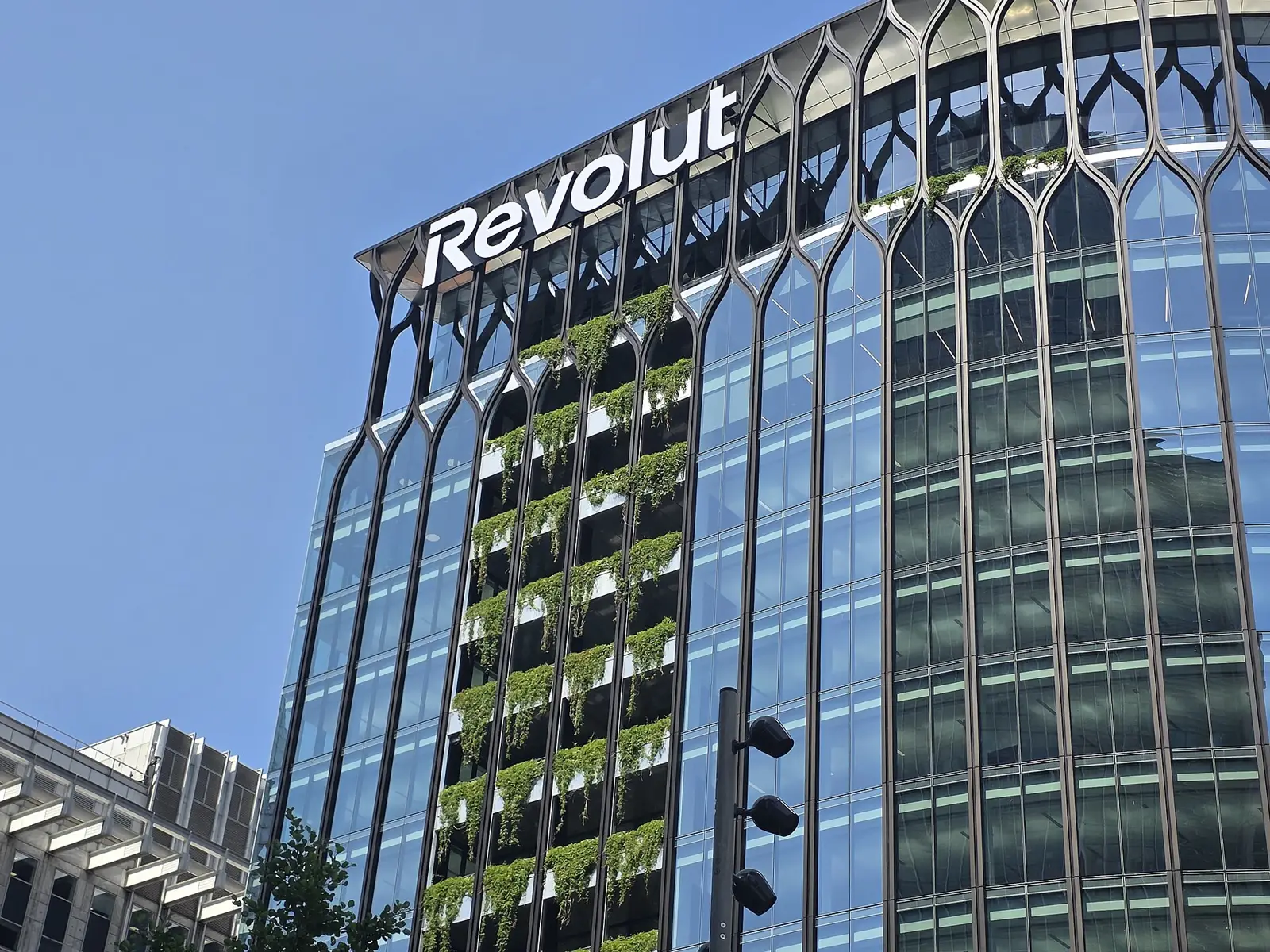
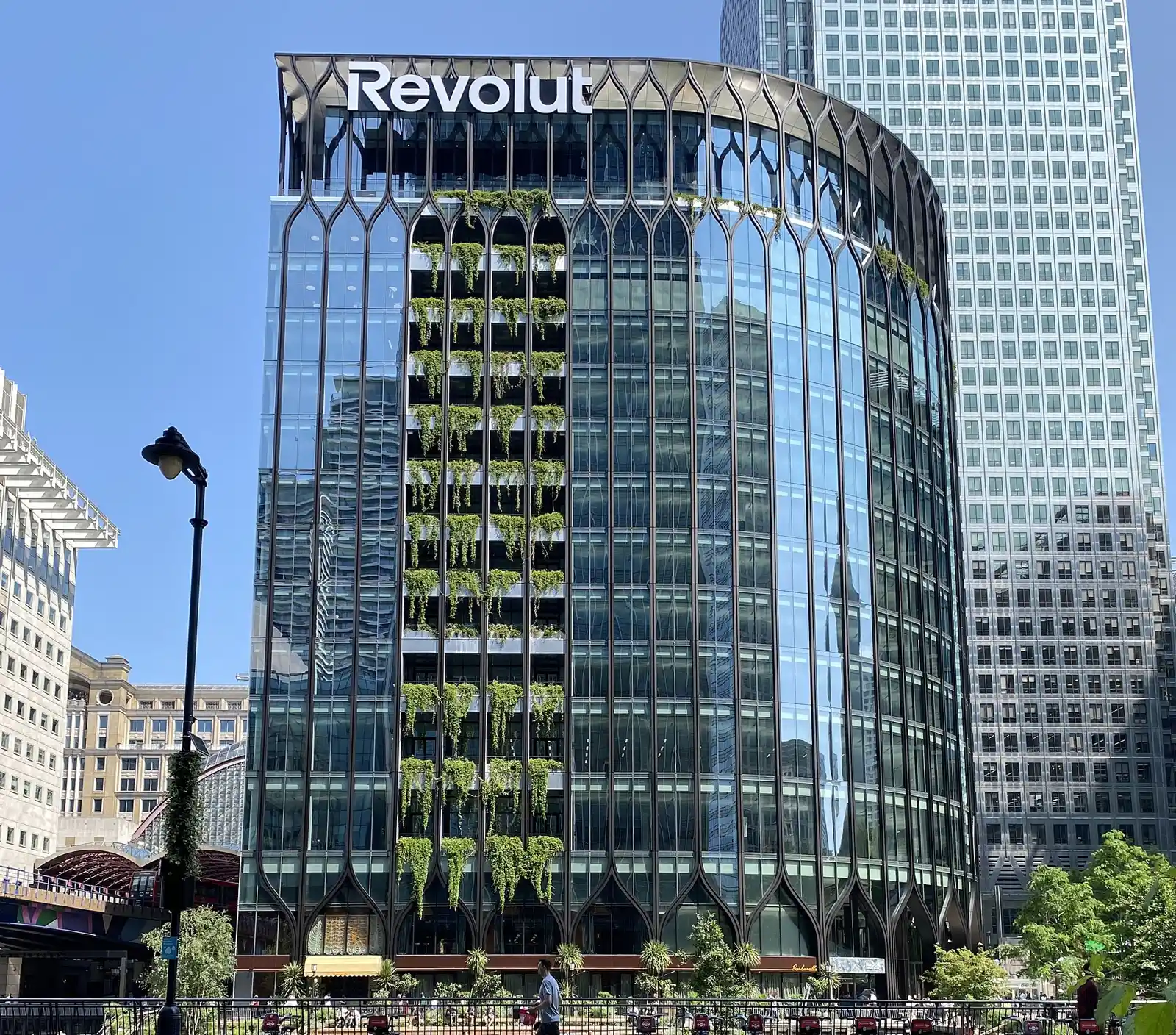
Top photo: Alerove via Wikimedia Commons, CC0.
Keep reading
More in Money & BusinessRelated stories
Money & Business
Italy wants a 26% exit tax on wealthy residents who move abroad

Money & Business
LVMH and Hermès Q3 2026: luxury sales split two ways
The newsletter
Get The Billionaire Daily newsletter
Our best stories on cars, watches, travel and experiences, in one email a week.